
Darlington County Arrest Records and Charges
Darlington County arrest records begin on the law-enforcement side. The Darlington County Sheriff's Office, municipal police, or another arresting agency may create the first record when a person is taken into custody. The local jail record can show a name, age, race, sex, admit date, arresting agency, and primary charge. It may also show bond details and court type when the person is held at the W. Glenn Campbell Detention Center. That booking record is useful, but it is not the full criminal case file.
Charges after arrest move into the court system. In Darlington County, General Sessions criminal filings are maintained by the Clerk of Court, whose criminal division receives, files, indexes, and houses warrants, bond paperwork, motions, and other criminal filings. The court charge record can later show amended charges, dismissed counts, dispositions, and sentencing entries. For jail status and booking detail, use the Darlington County inmate records page. For the full case file and outcome, use the Darlington County criminal court records page.
The county detention-center page is a key source for the custody side of Darlington County arrest records. The W. Glenn Campbell Detention Center page identifies the jail facility and routes users to booking-related services.
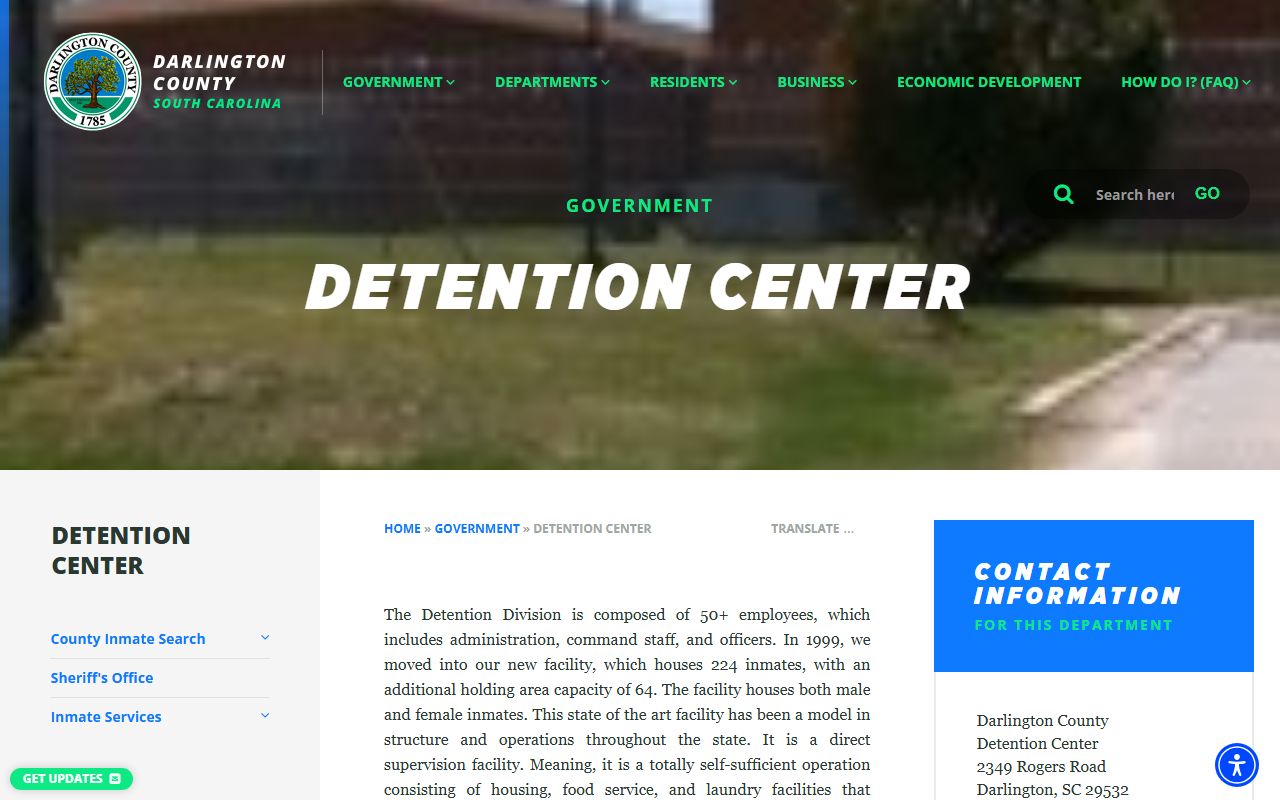
That county jail context helps separate an arrest or booking entry from the later Darlington County court charge record.
Find Darlington County Arrest Records
The most complete lookup uses more than one channel. Start with the Darlington County Public Index for court charges, then check the detention center booking portal when the person may still be in custody or was recently released. The Public Index is the South Carolina Judicial Branch case-search path for Darlington trial court records. It supports case-number and name searches, plus filters for court agency, case type, date, action type, and other fields when available.
- Open the South Carolina case-record search path or go directly to the Darlington County Public Index.
- Search by case number when known, because names may be shared, abbreviated, or misspelled.
- Search by party name if no case number is available, then narrow by court type or case type.
- Open the case detail and review the charge description, charge code, bond paper, docket entries, and disposition fields.
- Use the jail booking portal when the question is custody status, bail, arresting agency, or recent release.
Browser settings matter. The Judicial Branch notes that Public Index searches require cookies and JavaScript, and some browsers need a pop-up exception to view case details. If the online index does not show a new charge, contact the Clerk of Court at 110 N Main Street, Darlington, phone 843-398-4330, or the court that handled the first appearance, bond, or summary-court matter.
The supplemental official Darlington County Sheriff's Office site also links to bookings and releases, which can help when a Darlington County arrest records search starts with custody status rather than a filed court case.
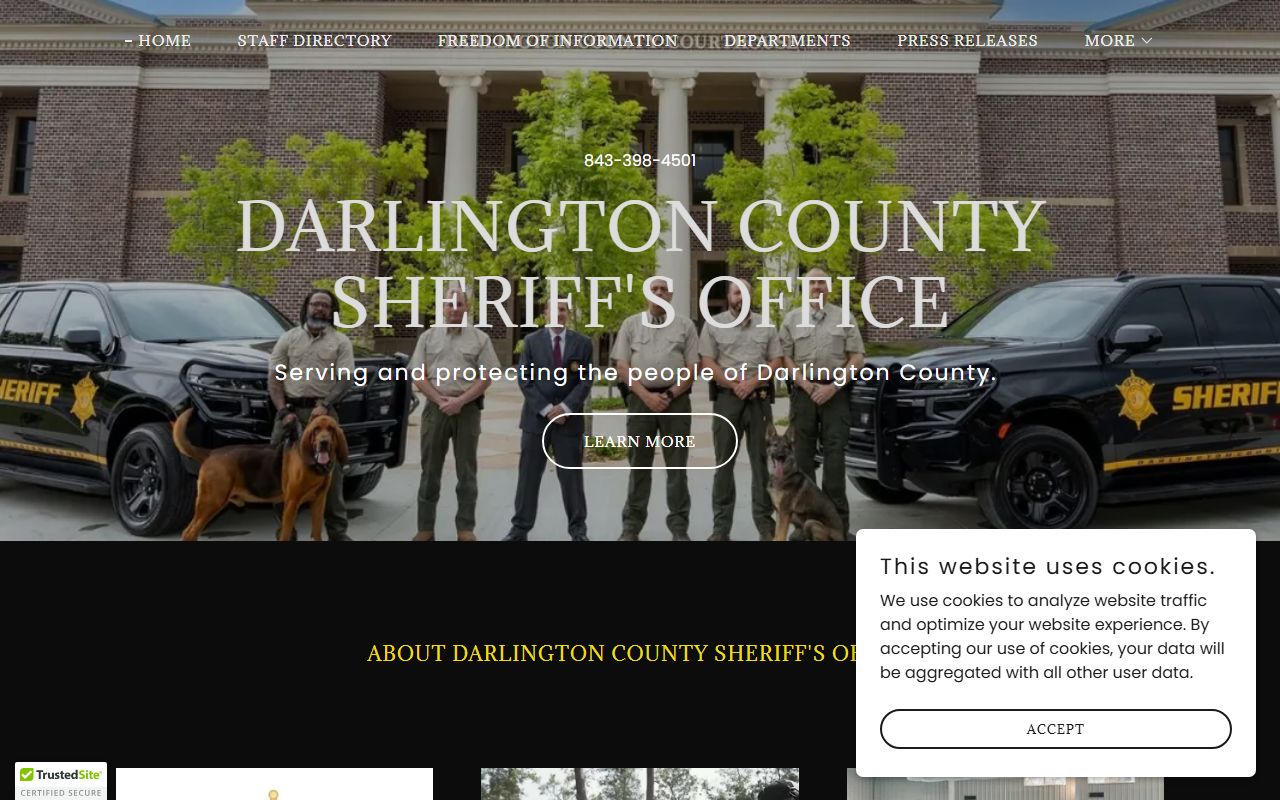
The sheriff source is useful for booking access, while the Public Index remains the better route for formal court charges after arrest.
Darlington County Court Charges Filed
After an arrest, the Fourth Circuit Solicitor reviews criminal matters for state prosecution in Darlington County. The Fourth Circuit Solicitor's Office represents the State in criminal cases for Chesterfield, Darlington, Dillon, and Marlboro Counties. Its Darlington office is at 1 Public Square, Room 410, Darlington, SC 29532, phone 843-398-4300. Prosecutor review is one reason the first booking charge and the later court charge may not match exactly.
South Carolina records may use warrants, indictments, citations, or other charging papers depending on the court and offense. Magistrates issue arrest warrants and handle many lower-level criminal matters, bond, and preliminary proceedings. General Sessions is the Circuit Court criminal division for higher criminal prosecution. A Darlington County court charge record should be read as a court accusation unless and until a conviction or other disposition appears.
| Charging paper | Where it fits | Darlington County record clue |
|---|---|---|
| Warrant or complaint | Often tied to arrest, bond, or summary-court review | Magistrate Court may issue arrest warrants and hold bond-related records. |
| Information or solicitor filing | Used when the prosecutor files or manages the charge path | Solicitor review can change, add, reduce, or dismiss counts. |
| Indictment | Formal higher-court accusation in General Sessions | The Clerk criminal division houses indictments, warrants, bond papers, motions, and dispositions. |
Darlington County Charge Status
Charge status is the part of Darlington County arrest records that most often changes after booking. A jail entry may list a primary charge on the day of admission. The Public Index and Clerk record can later show whether a charge remains pending, has been amended, has been reduced, was dismissed, or reached a plea, verdict, sentence, or other disposition. A single arrest may also create several separate charges with different outcomes.
| Status | What it means | Where to verify |
|---|---|---|
| Pending | The charge is open or not yet finally disposed. | Public Index, Clerk of Court, or the issuing summary court. |
| Amended or reduced | The original accusation changed during prosecutor or court review. | Case docket entries, charge list, or Solicitor filings. |
| Dismissed | The court record shows the charge ended without a conviction on that count. | Disposition field and docket action entries. |
| Nolle prosequi | The State chose not to prosecute that charge further. | General Sessions disposition or Solicitor-related entry. |
| Disposed or sentenced | The charge reached a final outcome, plea, verdict, sentence, or other closing event. | Public Index detail, Clerk record, and sentencing paperwork. |
Note: Online data can lag new filings, so recent arrests may appear in the jail portal before the matching court charge is visible.
Darlington County Charges vs Convictions
A charge is an accusation. A conviction is an outcome. Darlington County arrest records may list charges shortly after booking, but that does not mean the person was found guilty. The court record must be checked for disposition, plea, verdict, dismissal, or sentence before drawing a conclusion from a charge entry. This distinction matters for employment, housing, licensing, and personal review because a dismissed charge and a conviction are not the same record event.
| Question | Charge | Conviction |
|---|---|---|
| What it means | An alleged offense filed after arrest or court review. | A guilty plea, guilty finding, or verdict that establishes guilt. |
| Where it appears | Jail booking, warrant, Public Index, or General Sessions file. | Disposition, sentence, judgment, or final docket entry. |
| Can it change? | Yes. It may be amended, reduced, dropped, or dismissed. | It may be appealed, corrected, sealed, or expunged only when law allows. |
| Best local source | Booking portal, Public Index, Magistrate Court, Clerk criminal division. | Clerk of Court criminal file and final court disposition. |
Darlington County Charge Codes
Criminal charge entries may use offense descriptions, statutes, and CDR codes. The South Carolina Judicial Branch CDR code search helps interpret state charge codes, but it does not replace the court file. A code can identify the offense category, while the case docket shows how that charge moved through Darlington County court. Court records may also include bond fields, offense date, court type, court date, charging agency, arresting agency, and cash bond details.
For custody and sentencing beyond Darlington County jail, the SCDC inmate-search disclaimer is important. State prison search tools are not the same as county arrest records and do not include every county-jail inmate, released offender, juvenile, or supervision record.
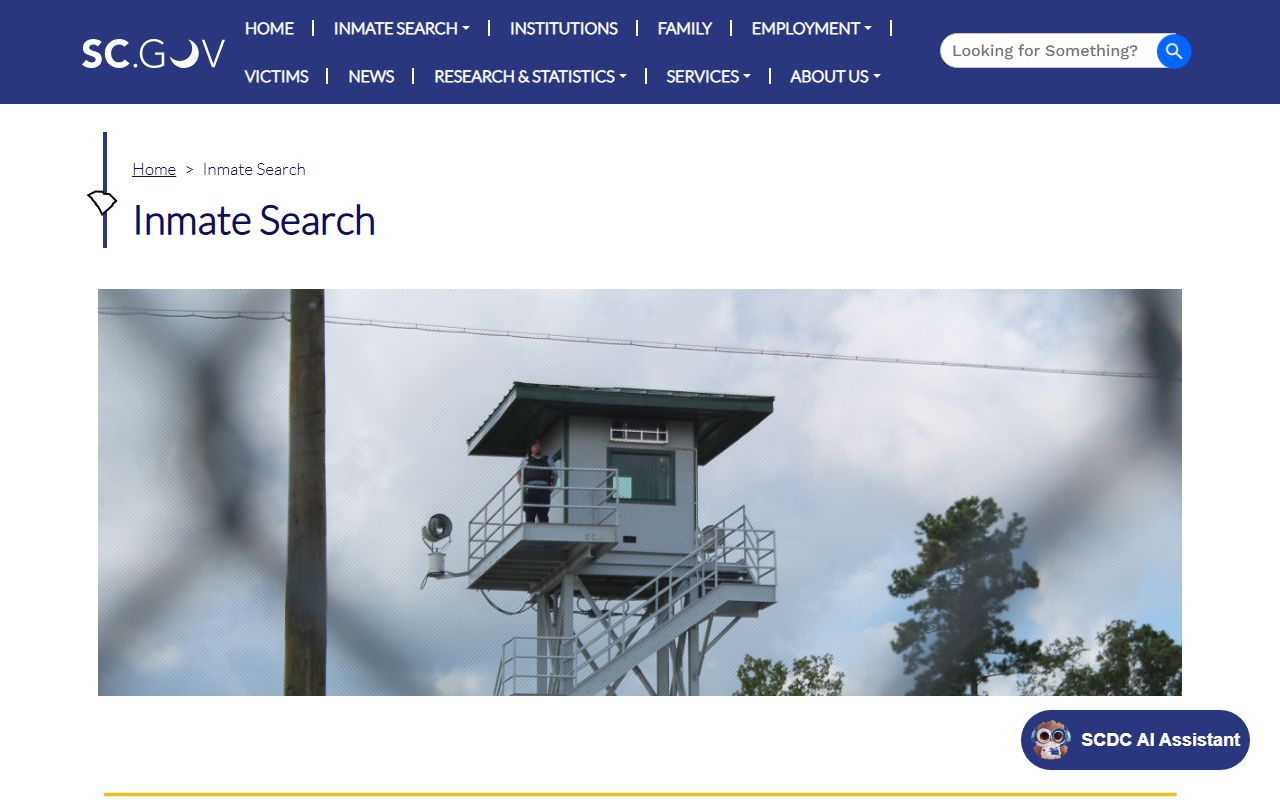
The SCDC limit reinforces why Darlington County court charges should be checked through court and jail sources before using a state prison search.
Darlington County Arrest Records Access
Public access is not one single database. South Carolina court records are generally open under court rules, but access can be narrowed by statutes, redaction rules, sealed orders, juvenile confidentiality, and law-enforcement exemptions. For agency records, South Carolina Freedom of Information Act, Title 30 Chapter 4 is the public-records fallback. For court records, the best first step is still the custodian court, such as the Clerk of Court, Magistrate Court, Municipal Court, or Probate Court depending on the case type.
FOIA can help when the record is held by a public body, but it does not make every law-enforcement file public. Open investigations, privacy-sensitive details, confidential juvenile material, and records sealed by court order may be withheld or redacted. That means a Darlington County arrest record may exist even when the public version omits an address, identifier, witness detail, or protected document image.
South Carolina FOIA is the statewide framework for agency public-record requests, including limits and exemptions that can affect Darlington County arrest records.
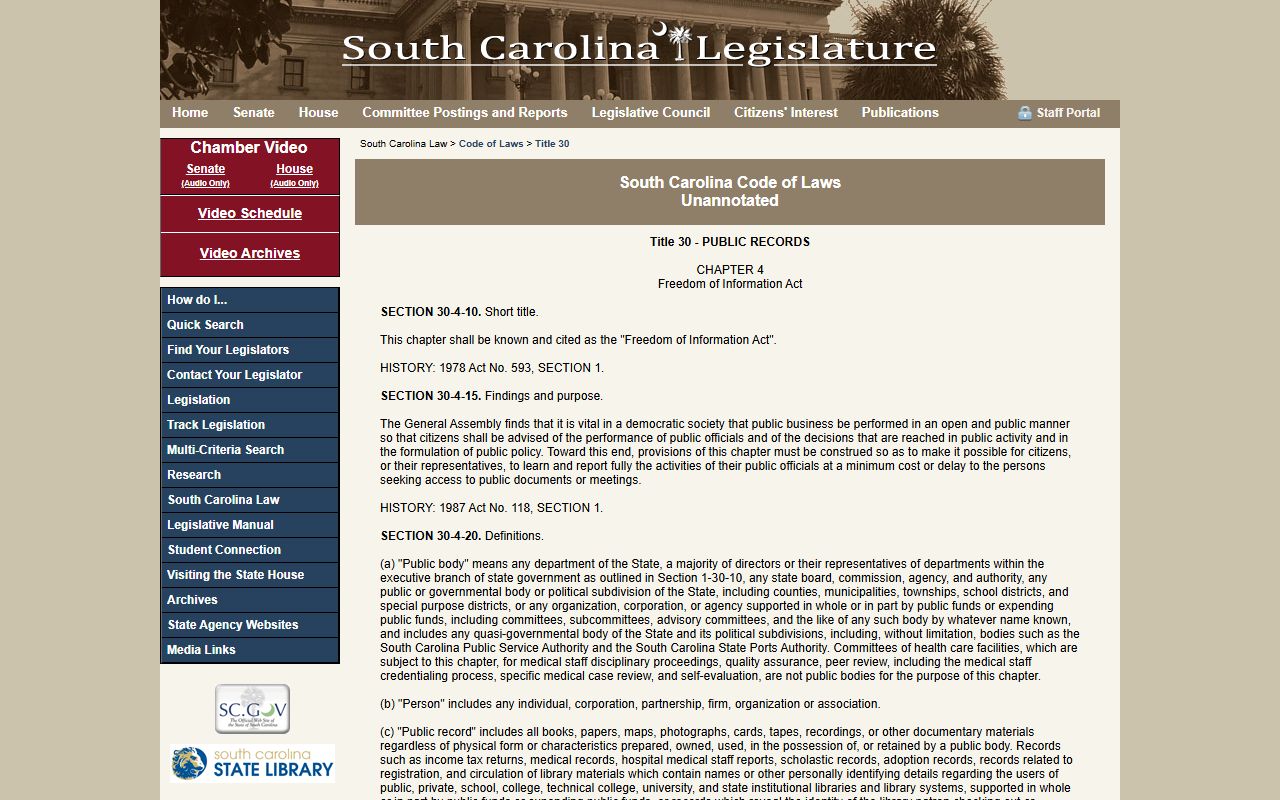
FOIA is a fallback channel for agency records, while court charge data should be verified with the Darlington County court custodian.
Darlington County Sealed vs Expunged Records
Some arrest and charge records are public only in limited form. South Carolina Rule of Civil Procedure 41.1 allows court records to be sealed by court order after the required standards are weighed. Rule 41.2 requires redaction of personal identifiers before filing. South Carolina law also protects juvenile records and allows eligible criminal records to be expunged under Title 17, Chapter 22. Expungement means records may be removed, destroyed, or sealed under the law, while sealing usually limits public access without treating the event as if it never existed.
| Question | Sealed | Expunged |
|---|---|---|
| Public visibility | Public access is restricted by court order. | Eligible arrest, charge, or conviction records may be removed, destroyed, or sealed. |
| Darlington County route | Use the court that entered the seal order for access questions. | General Sessions expungement applications route through the Fourth Circuit Solicitor. |
| Record effect | The record may still exist, but public access is limited. | The record is treated under the expungement order and statute, not as an ordinary public lookup record. |
| Common limits | A sealing order does not make every agency copy vanish. | Eligibility depends on offense type, disposition, waiting period, prior record, and court level. |
The privacy rules also affect official record images. S.C. Code Section 30-2-330 permits requests to remove certain personal identifying data from publicly available official-record images.
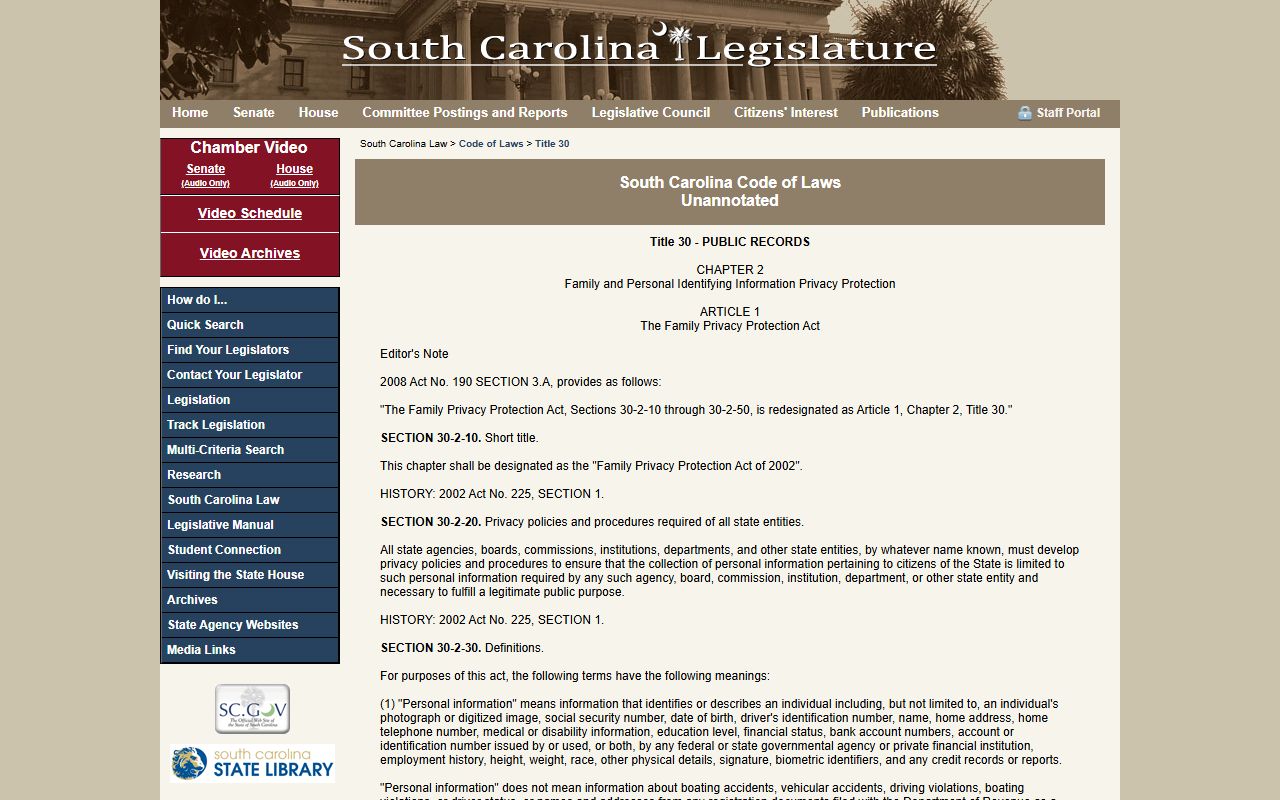
Those privacy rules explain why a Darlington County charge record can be public while still hiding personal identifiers or sensitive image details.